This newsletter is designed to give you researched backed skills to improve your mental, emotional and relational lives.
Solving your anxiety/depression might be closer than you think
|
Hello all, A while back a buddy of mine called me late one night... one of those conversations where you can hear the weight in someone’s voice before they even say the words. He said, “Man, I don’t get it. My life’s good on paper. I’ve got a job, a family, I work out, I should be fine… but I just feel off. Like I’m on autopilot.” He wasn’t depressed in the classic sense. He wasn’t crying or stuck in bed, he was just disconnected. Every day looked the same, and even the things that used to excite him started to feel dull. It reminded me of Johann Hari’s TED Talk, “This Might Be Why You’re Depressed or Anxious.” Hari argues that sometimes, what we call anxiety or depression isn’t a chemical imbalance — it’s a connection imbalance. We’ve lost touch with the things that give us purpose, belonging, and meaning. My friend didn’t need a motivational speech or to start a new thing. He needed reconnection... to people, to purpose, & what matters most. Johann Hari’s TED Talk, “This Might Be Why You’re Depressed or Anxious. We often treat anxiety and depression like chemical glitches in the brain ... something to fix with a pill or push through with willpower. But what if part of the problem isn’t inside your head… it’s in your life? Johann Hari’s argues that while biology matters, disconnection — from meaningful work, from others, from values — is often the root of our distress. And reconnection, not just medication, is often the cure. What Johann Hari Found in His Research: Hari spent years interviewing psychologists, neuroscientists, and communities worldwide. His takeaway was clear: our modern lifestyle disconnects us from the things that make us human. Here are three types of disconnection and what research says about each:
We’re wired for purpose, not just paychecks. When work feels empty, our brains can literally interpret it as a threat - to identity and worth. Don't believe me? just try it out. Research: Steger et al. (2012) found that employees who find meaning in work report lower depression and higher life satisfaction. Takeaway: Work with purpose energizes. Work without it drains.
Despite constant online connection, loneliness rates are at record highs. You don't need me to tell you this to know this is true. Humans need connection, isolation raises stress hormones like cortisol and lowers serotonin which lead to mental distress. Research: Holt-Lunstad et al. (2015) found loneliness increases mortality risk by 26%. Takeaway: Friendship isn’t optional for mental health. It’s oxygen.
When life revolves around achievement, image, or consumption, we drift from what truly fulfills us. Research: Kasser & Ryan (1996) found that materialistic values correlate with lower well-being and higher anxiety. Takeaway: Purpose-driven goals calm the mind; status-driven goals feed the noise. This Week's Tool: The “Reconnection Audit” Inspired by Hari’s framework Take 10 minutes to reflect using these prompts:
Why it works: Self-reflection activates the brain’s default mode network, allowing emotional integration (Immordino-Yang et al., 2012). Reconnecting with people releases oxytocin, which reduces anxiety and strengthens trust (Heinrichs et al., 2009). In short: connection heals chemistry. Final Takeaway for the Week Hari says, “The opposite of depression isn’t happiness, it’s connection.” That means your anxiety isn’t always a malfunction. It might be a signal (even a healthy alarm) telling you something in your life deserves your attention, not your shame. You don’t need a total life overhaul —> just one act of reconnection. Have lunch without your phone. Work on a project that feels yours. Say what you actually mean instead of what’s expected. Small acts of reconnection rebuild meaning, one thread at a time. — Zach Mental Health for Men Founder, Clinical therapist 📵 This Week’s Sponsor: Brick Your Phone Johann Hari says the opposite of depression isn’t happiness — it’s connection. Enter Brick — a simple, beautifully designed box that locks your phone away for a while. If you’re ready to stop ghosting your own life, this is your cue. ______________________ |
Mental Health 4 Men
This newsletter is designed to give you researched backed skills to improve your mental, emotional and relational lives.
If you want to get the full library of guides/worksheets upgrade to the paid version! Upgrade Membership The 5 Most Common Regrets Dads Have With Their Kids Hey all, Over the years I have had a lot of dads sit in my office and talk about their kids. My job has allowed me a window in every type of family structure I can imagine. Some Dads come in when their kids are young, trying to figure out how to be more present, how to manage the stress they are bringing home, how to show up better for...
If you want to get the full library of guides/worksheets upgrade to the paid version! Upgrade Membership At Least It Wasn't Number Two We are potty training at the Werhan house... For those of you who have been through this, you already know what that means. For those of you who have not, let me paint you a picture... I was walking past the bathroom back into my room when I noticed water gushing out of the hallway bathroom. Initially, every bad thought/word went through my mind as I opened...
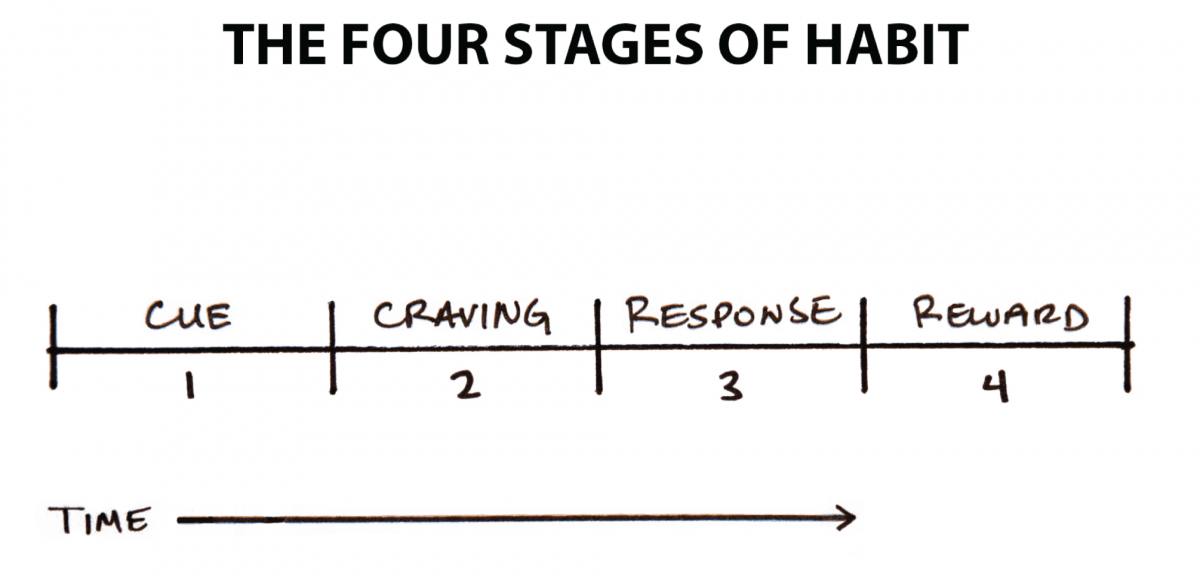
If you want to get the full library of guides/worksheets upgrade to the paid version! Upgrade Membership What is the habit you most want to break right now? Hey all, Let me tell you about one of the most common things I see when people are trying to break a bad habit. Most of the time, it is not really about the habit itself. The guy who cannot stop drinking at night may not actually be addicted to bourbon, but rather the stress reliever that comes after a long day. The bourbon is just what...