This newsletter is designed to give you researched backed skills to improve your mental, emotional and relational lives.
Bad Habits: Why You Can't Just Stop
|
If you want to get the full library of guides/worksheets upgrade to the paid version!
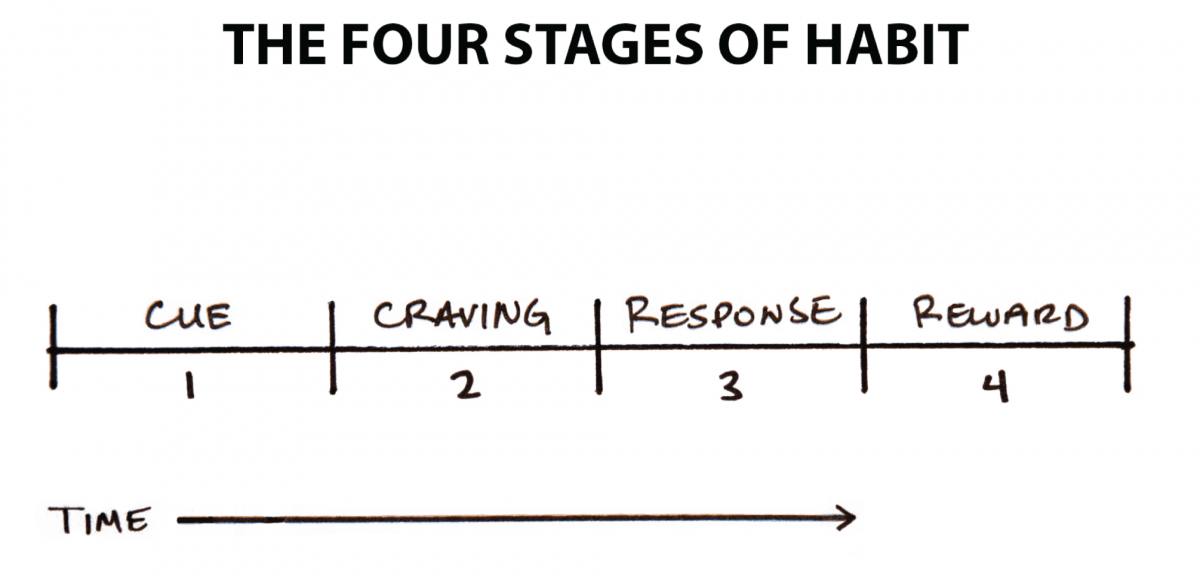
What is the habit you most want to break right now?Hey all, Let me tell you about one of the most common things I see when people are trying to break a bad habit. Most of the time, it is not really about the habit itself. The guy who cannot stop drinking at night may not actually be addicted to bourbon, but rather the stress reliever that comes after a long day. The bourbon is just what his brain has learned to use to get that feeling quickly. The mom who cannot put her phone down may not be addicted to the phone. She might beaddicted to the quick hit of stimulation she gets whenever she is bored or just needs a break. The guy who keeps going back to porn may be using it to escape loneliness he has not found another way to deal with. Different habits. Same basic pattern underneath. A cue happens --> do the thing --> get some kind of reward or relief. After a while that loop starts to feel automatic. That is why breaking a habit can be so hard. But understanding what is actually driving the habit can be a huge first step toward changing it.
Why Old Habits Are Harder to Break Than New Ones Are to Build...
"First we make our habits, then our habits make us." — Charles C. Noble When you repeat a behavior consistently, your brain builds a dedicated neural pathway for it. The more you use it, the more efficient and automatic it becomes. Kind of like a trail through the field that gets worn into a path over time. Some bad news....Research on habit reversal shows that existing neural pathways do not disappear when you stop using them. They go dormant. The "grooves" your brain carved over months or years of repeated behavior do not get filled in just because you decided to stop. They sit there ready to activate the moment the right cue shows up. Think of it like an old highway that got decommissioned. The state stops maintaining it. Grass starts growing through the cracks. But the road is still there underneath. And when the new route gets congested or stressful or unfamiliar, your brain will absolutely take the exit back to the old highway if you are not paying attention. This is why willpower alone almost never works for breaking habits. You are not fighting a bad decision. You are fighting a deeply grooved neural pathway that your brain built specifically because it was efficient and delivered a reward at some point. A 2024 paper published in Cognitive Sciences found that habit expression occurs when the stimulus-driven part of your brain outweighs the goal-directed part, which explains why people keep doing things that no longer align with what they actually want. The behavior is not a reflection of your values. It is a reflection of which neural system is winning in that moment. New(er) research on your brain, vices, and addictions... Your brain is not addicted to the behavior. It is attached to the reward the behavior delivers. Figure out what reward the habit is providing and find a different route to the same destination. 1. Competing responses beat willpower every time A person must built a new response to the same trigger, not just try to stop the old one. Think same cue. Similar reward. Different route. The closer the replacement reward matches the original, the more likely the substitution actually holds long term. This can be a frustrating process to figure out for a lot of people because it takes a lot of trial and error with what actually works. 2. Changing your environment works better than changing your mindset Your habits are tied to specific places, times, and situations. Change those and you weaken the automatic pull without needing more willpower. The same 2024 Trinity College Dublin research found that habit expression weakens significantly when the stable context that originally supported it gets disrupted. Stop trying to out-think the habit and start changing the conditions around it. 3. Knowing your trigger (cue) matters more than knowing your behavior Most people try to change what they do before they understand what sets it off. Practical Framework for Changing the habit you want to break right now:Identify the habit loop
Design a replacement, not a removal
Change the environment
Bonus: Expect the cue to keep firing
Be actually honest about what is driving the habit...
The old road does not have to be the only road. Zach Clinical Therapist and Founder of Mental Health 4 Men If you want to get the full library of guides/worksheets upgrade to the paid version!
|
Mental Health 4 Men
This newsletter is designed to give you researched backed skills to improve your mental, emotional and relational lives.
If you want to get the full library of guides/worksheets upgrade to the paid version! Upgrade Membership The 5 Most Common Regrets Dads Have With Their Kids Hey all, Over the years I have had a lot of dads sit in my office and talk about their kids. My job has allowed me a window in every type of family structure I can imagine. Some Dads come in when their kids are young, trying to figure out how to be more present, how to manage the stress they are bringing home, how to show up better for...
If you want to get the full library of guides/worksheets upgrade to the paid version! Upgrade Membership At Least It Wasn't Number Two We are potty training at the Werhan house... For those of you who have been through this, you already know what that means. For those of you who have not, let me paint you a picture... I was walking past the bathroom back into my room when I noticed water gushing out of the hallway bathroom. Initially, every bad thought/word went through my mind as I opened...
If you want to get the full library of guides/worksheets upgrade to the paid version! Upgrade Membership "We might think that we are stuck with the mind we have, but habits can be unlearned, the mind can let go, and our lives can be transformed." Does it take 21 days to build a habit? Hey all, Today we're talking about habits. But first I need to tell you about my pillow situation. Bachelor me was minimal. At one point in my 20's I had a mattress on the floor, a coffee maker, and a rice...