This newsletter is designed to give you researched backed skills to improve your mental, emotional and relational lives.
Does it take 21 Days to Build a Habit?
|
If you want to get the full library of guides/worksheets upgrade to the paid version!
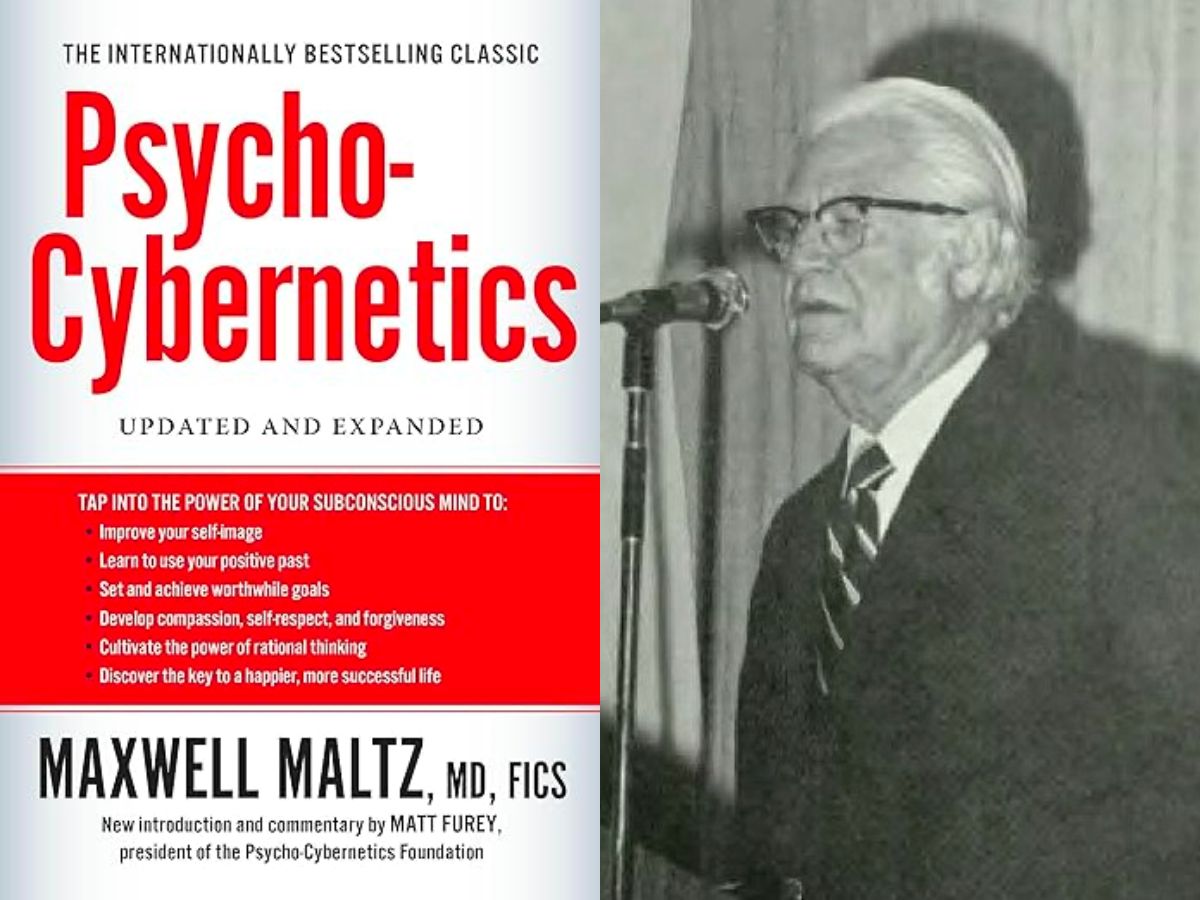
"We might think that we are stuck with the mind we have, but habits can be unlearned, the mind can let go, and our lives can be transformed." Does it take 21 days to build a habit?Hey all, Today we're talking about habits. But first I need to tell you about my pillow situation. Bachelor me was minimal. At one point in my 20's I had a mattress on the floor, a coffee maker, and a rice cooker. I did not own decorative items. I did NOT want to own decorative items. I remember rooming with a guy in KC and got into a "roomate-argument" because he wanted to split a purchase on some wall decor... and I did not. My apartment was functional in the way that a truck stop is functional. Everything that needed to exist existed. Then.... I got married. Best day of my life, but a lot changed. I now own more pillows than I have ever. There are pillows on the bed that we do not sleep on. There are pillows behind the pillows. There is a (supposedly) specific order in which the pillows go. I have a duvet cover? (a blanket with a more expensive blanket inside it). Things in my home are now decorated. :) I am appreciative of this... but it's unnatural for my personality. Something interesting about this... I have been doing the new pillow thing for years now. The pillows go on in the morning, off in the evening. The bed gets made a specific way. And somewhere along the way it stopped feeling like something I was adjusting to and started feeling like just what I do. Did I form a new habit? Was I getting "house trained" by my wife? Did this take 21 days? Which brings me to the topic I want to discuss today. The 21 Day Habit Myth:We have all heard it takes 21 days to form a habit. Do something every day for three weeks and it becomes automatic. It has been repeated so many times in self-help books, corporate wellness programs, and motivational speeches that most people treat it as established science. The 21 day idea traces back to a plastic surgeon named Maxwell Maltz who noticed in the 1950s that his patients took about 21 days to get used to their new appearance after surgery. He wrote about this observation in a book called Psycho-Cybernetics in 1960. It was a casual observation about one specific psychological adjustment in one specific clinical context.
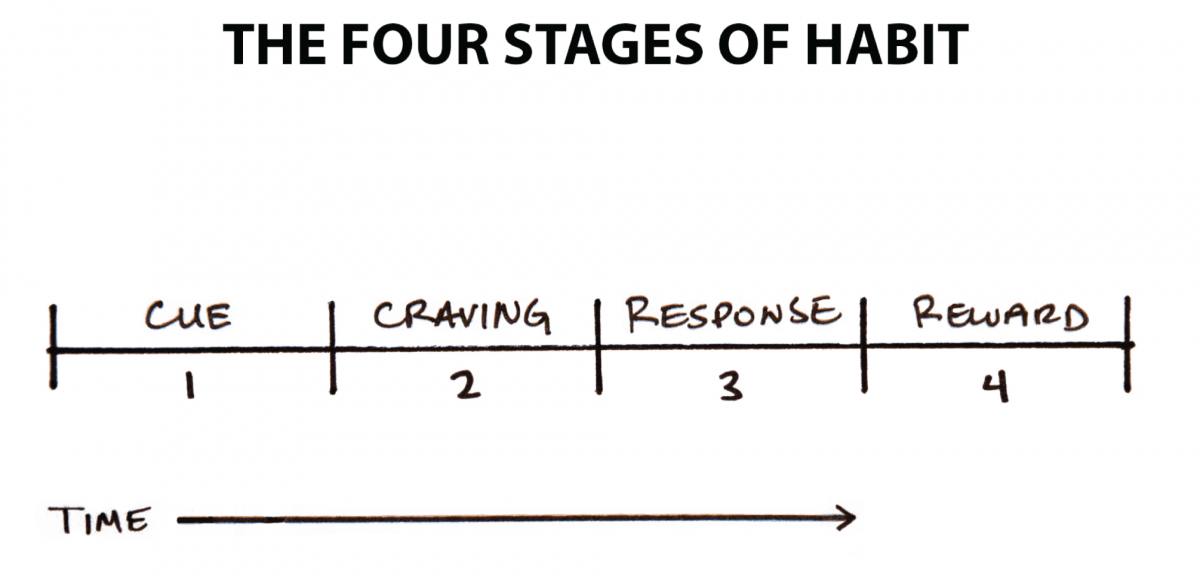
Somehow it became universal gospel about how long it takes to build any habit. A 2010 study published in the European Journal of Social Psychology by researcher Phillippa Lally at University College London tracked 96 people over 12 weeks as they attempted to build new habits. The actual range for a behavior to become automatic was 18 to 254 days, with the average landing at 66 days. Not 21. Sixty-six. And for some habits and some people, significantly longer than that. The 21 day myth is not just inaccurate. It is actively harmful. Because when someone tries to build a new habit, makes it three weeks, does not feel the automatic pull yet, and concludes they must be doing something wrong.... they quit. Right around the time the real work was starting to compound. How Habits Actually Form in the BrainHabits are formed through a process where your brain builds faster, more efficient neural pathways for behaviors that are repeated consistently. Think of it like a trail through a field. The first time you walk it, you are pushing through long grass. The second time it is a little easier. The tenth time there is a visible path. The hundredth time it is a worn track that your feet find automatically. That worn track is a habit. And the time it takes to wear it in depends entirely on the complexity of the behavior, how often you repeat it, and how deeply any competing behaviors are already grooved in. Research from MIT on habit loops identified a three-part structure that drives almost every habit: a cue that triggers the behavior, a routine that executes it, and a reward that reinforces it. Understanding this loop is the difference between trying to white-knuckle a behavior change and actually rewiring your brain. Here is what the research supports for building new habits:
2. Reduce friction for the new behavior
3. Get specific about the cue
Expect it to take longer than you think
What is one habit you have been trying to build for longer than you want to admit? Do you know what cue triggers the competing behavior and what reward it is delivering? My pillow habit took longer than 21 days. So did every other meaningful habit I have built in my adult life. But somewhere along the way the trail got worn in and it started to feel like just what I do. Next week we go deeper on the harder side of this. Not building new habits but breaking the ones already grooved in. That turns out to be a completely different challenge. And one worth understanding. Zach Clinical Therapist and Founder of Mental Health 4 Men If you want to get the full library of guides/worksheets upgrade to the paid version!
|
Mental Health 4 Men
This newsletter is designed to give you researched backed skills to improve your mental, emotional and relational lives.
If you want to get the full library of guides/worksheets upgrade to the paid version! Upgrade Membership The 5 Most Common Regrets Dads Have With Their Kids Hey all, Over the years I have had a lot of dads sit in my office and talk about their kids. My job has allowed me a window in every type of family structure I can imagine. Some Dads come in when their kids are young, trying to figure out how to be more present, how to manage the stress they are bringing home, how to show up better for...
If you want to get the full library of guides/worksheets upgrade to the paid version! Upgrade Membership At Least It Wasn't Number Two We are potty training at the Werhan house... For those of you who have been through this, you already know what that means. For those of you who have not, let me paint you a picture... I was walking past the bathroom back into my room when I noticed water gushing out of the hallway bathroom. Initially, every bad thought/word went through my mind as I opened...
If you want to get the full library of guides/worksheets upgrade to the paid version! Upgrade Membership What is the habit you most want to break right now? Hey all, Let me tell you about one of the most common things I see when people are trying to break a bad habit. Most of the time, it is not really about the habit itself. The guy who cannot stop drinking at night may not actually be addicted to bourbon, but rather the stress reliever that comes after a long day. The bourbon is just what...